









How to Choose a Hunting ATV for Different Terrains?
In selecting the hunting ATVs, the environment should be considered rather than just comparing the engine size or the horsepower of the vehicles. The mountainous, forested, muddy, and rocky terrains will require different capabilities from an ATV. Four-wheel drive, ground clearance, suspension, handling, cargo-carrying, and traction capability become more critical than power.
Mountain Hunting
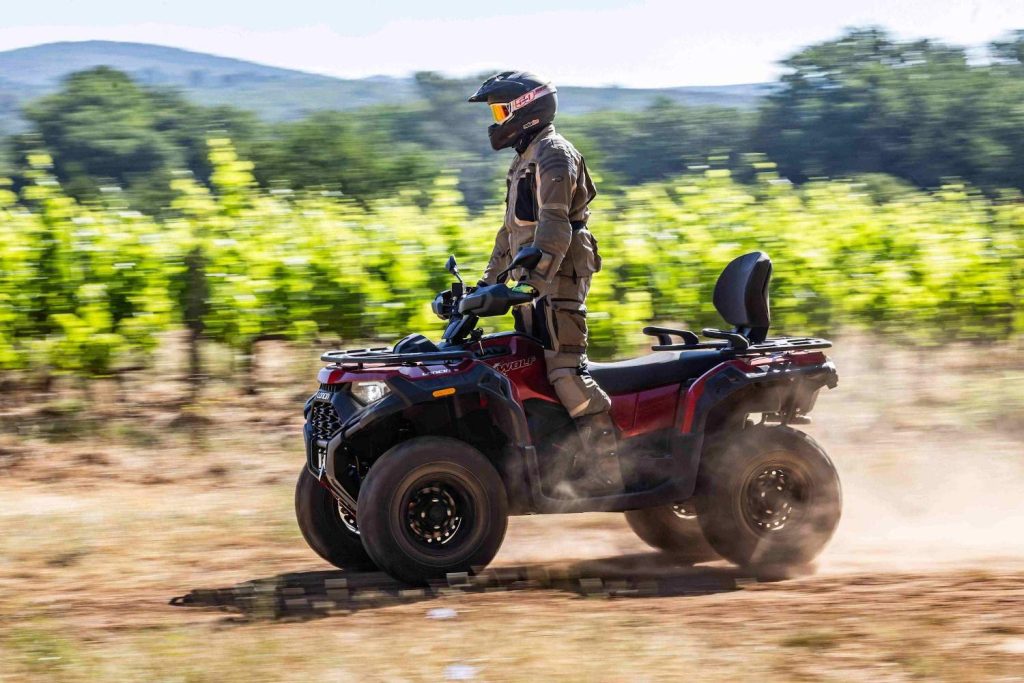
The terrain in mountain hunts normally consists of steep hills, rocks, ravines, and loose soil. The vehicle must retain constant power at low speed, with sufficient off-road capabilities. When selecting the ATV for hunting for such a situation, four-wheel drive, ground clearance, low-speed torque, and suspension systems become the most important factors to consider.
In the case of the LONCIN XWOLF Series, both the XWOLF550L and XWOLF700L models have a minimum ground clearance of 280 mm, which is ideal for off-road situations where off-road capability is the major factor. The XWOLF700L model has an engine capacity of 686 cc, making it a higher-displacement engine in complex terrain situations.
Forest Hunting
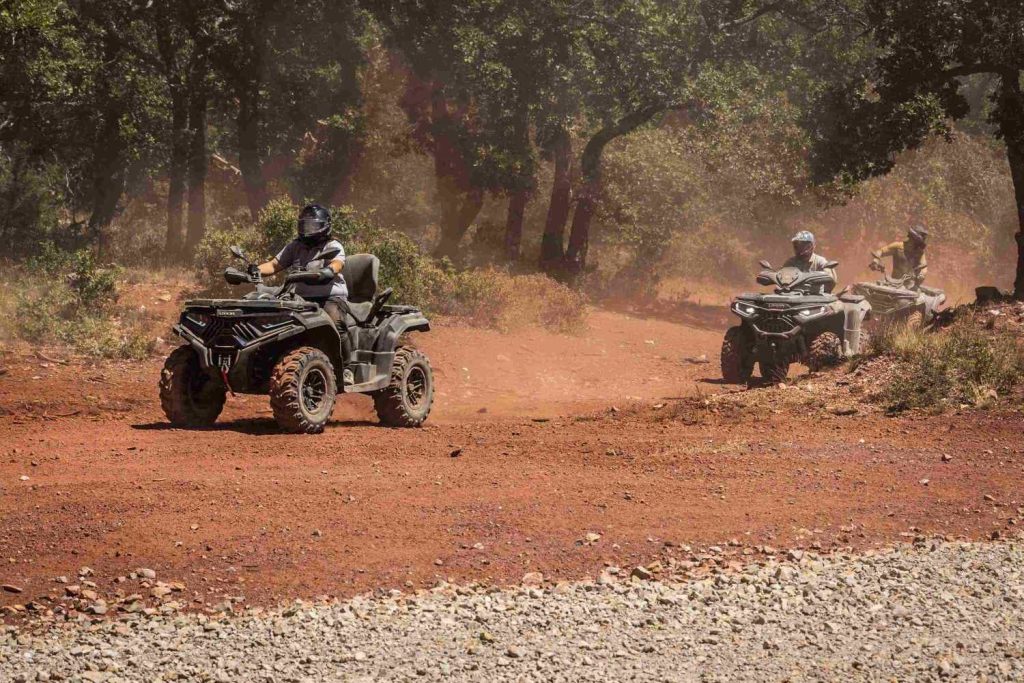
The paths in the forest tend to be narrower; hence, they demand more maneuverability when avoiding things like trees’ roots and rocks. This means that the ATV meant for hunting should balance agility, wheelbase, suspension, and ground clearance, instead of trying to have a bigger engine capacity. One such ATV is the LONCIN XWOLF300 which is fitted with a 271cc engine and a ground clearance of 260/285 mm.
Mud and Wetland Hunting
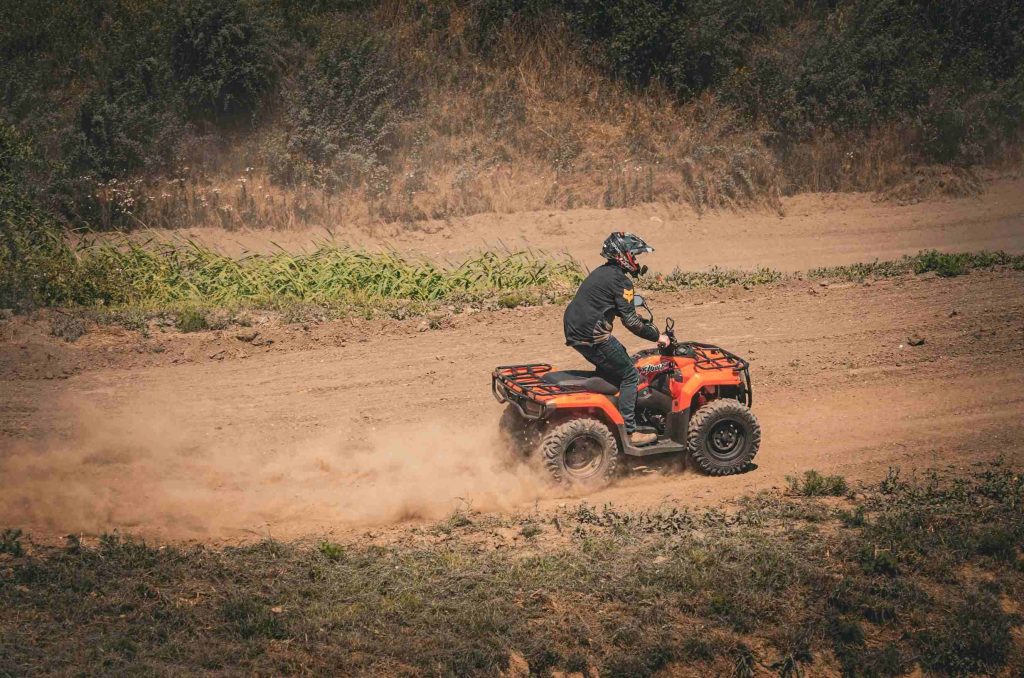
In mud, the primary issue is not about speed, but the traction of the tires and how easy it is for the vehicle to come out of the situation. If the vehicle gets stuck in the mud, the ability to come out depends not only on the displacement of the engine, but also on the drive of the car, tires, clearance, and low-end torque of the engine.
LONCIN XWOLF700 features four-wheel drive, independent four-wheel suspension and clearance of 288 mm. This type of equipment is especially helpful for people who have to deal with muddy and difficult ground conditions. It is better to look at the drive system, tires and clearance when choosing the mud hunting ATV than at the engine.
Rocky and Complex Roads
Challenging terrains encountered off-road will have more stringent requirements for the chassis, suspension, and off-road performance of the Hunting ATV. When encountering obstacles like rocks, tree roots, and ditches continuously, apart from ground clearance, other considerations that need to be taken into account include the suspension design, tire size, chassis protection, and stability while carrying loads simultaneously.
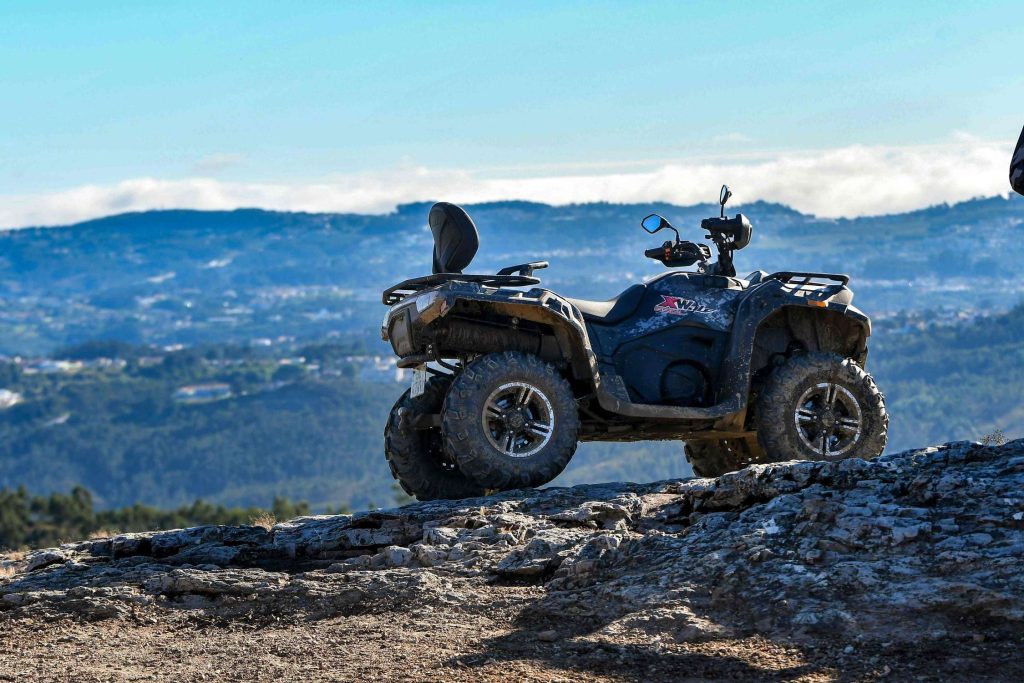
For comparison with regard to complex off-road terrains, the minimum ground clearance of 280 mm available in LONCIN XWOLF550L and XWOLF700L can be used directly as an indicator. But eventually, the selection must be made after taking into consideration suspension, tires, load capacity, and the specific route itself.
Which Parameters Are Most Important for Different Hunting Terrains?
| Hunting Terrain | Key Hunting ATV Parameters to Consider |
| Mountain | 4WD, ground clearance, torque, suspension |
| Forest | Vehicle dimensions, maneuverability, suspension, ground clearance |
| Mud / Wetland | 4WD, tires, ground clearance, traction |
| Rocky Trails | Ground clearance, suspension, tires, underbody protection |
| Equipment Transport | Payload capacity, cargo space, towing capacity |
There is no single Hunting ATV that offers the same advantages across every terrain. A more practical approach is to identify the hunting terrain and expected load first, then match the ATV based on 4WD, ground clearance, suspension, power, payload capacity, and towing capacity.
For an ATV manufacturer such as LONCIN, this application-based approach also provides a more meaningful way to demonstrate how different models are positioned and where they deliver practical value, rather than simply comparing engine displacement.
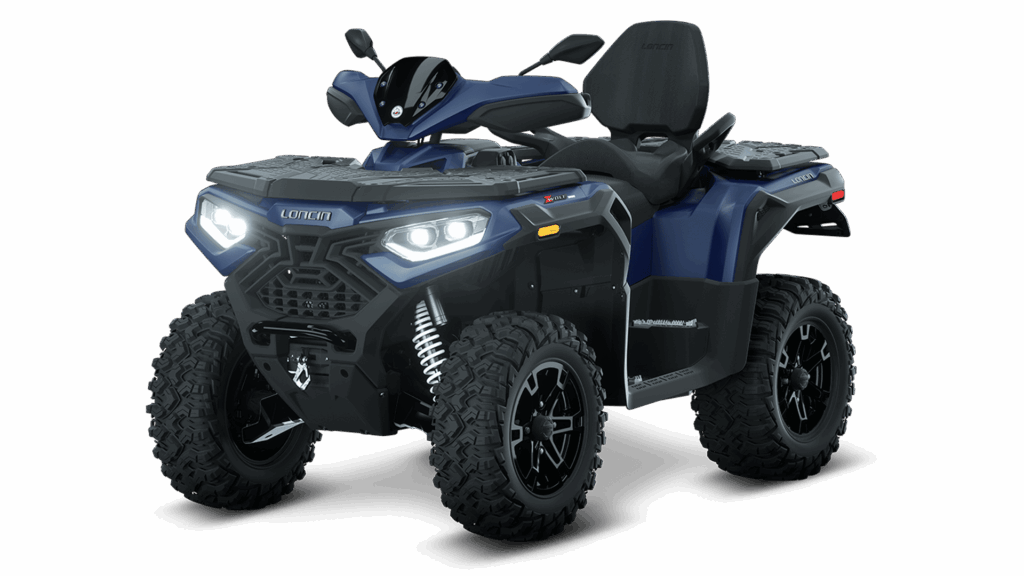
.webp "XWolf700L 12")
.webp "XWolf550L 13")
.webp "XWolf300 14")
.jpg "XWolf200 15")
-1.webp "UWolf1000 16")
.webp "UWolf700L 17")