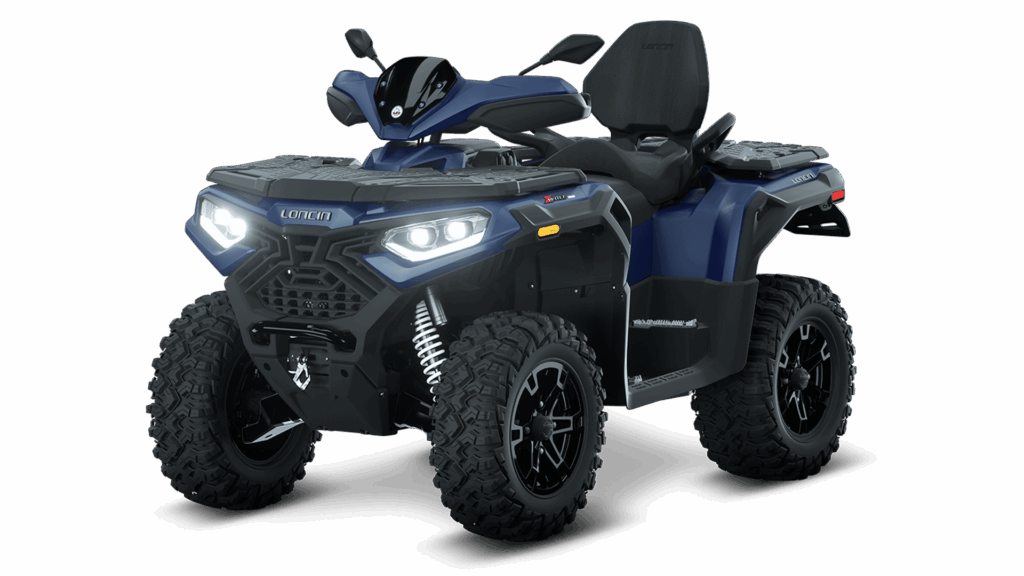
















Which ATV Fluids Should You Check or Change?
Regularly checking and changing fluids is crucial for maintaining reliable ATV operation and preventing premature wear of parts. Engine oil, transmission fluid, brake fluid, and other fluids each play a different role, but all require regular checks.
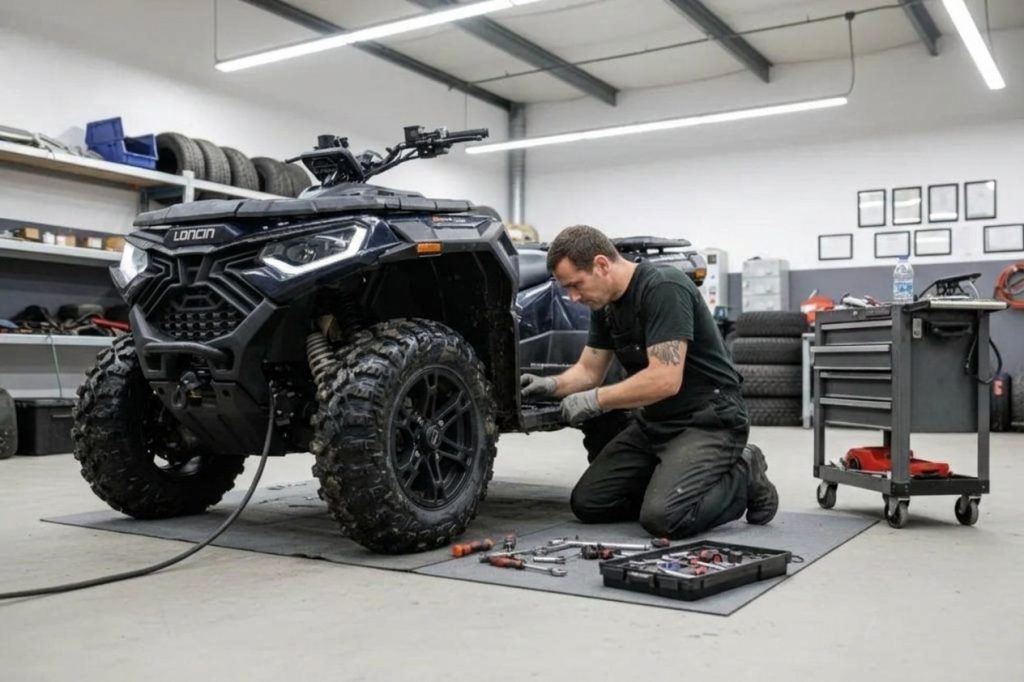
However, not all ATVs use the same fluid system. Some models have independent gearboxes, while others may use different transmission structures. Understanding which fluids your ATV requires is the first step in proper routine maintenance.
Engine Oil
Engine oil lubricates internal components, reduces friction, aids in heat dissipation, and removes impurities. High-load operation, dust, and frequent acceleration during off-road riding increase the workload on the engine oil.
Daily checks should include the engine oil level, color, and presence of emulsification. Also, check the oil filter, drain plug, and seals for leaks. Change the engine oil and oil filter according to the intervals specified in the owner’s manual. Common viscosity grades include 10W-40 and 5W-40; the specific specification should be selected based on engine requirements. For wet clutch vehicles, oil compatibility should also be considered.
Transmission or Drivetrain Oil
Transmission lubricant reduces friction and wear between gears, drive shafts, and other components. Depending on the ATV’s design, the transmission may use an independent lubrication system or share oil with the engine.
During maintenance, check the fluid level, condition, and for metal particles or leaks. Change the fluid according to the manufacturer’s recommended intervals. High-load towing and frequent off-roading may require more frequent checks. Whether to use a dedicated transmission fluid or gear oil depends on the vehicle model’s requirements; do not arbitrarily substitute engine oil or automatic transmission fluid.
Front and Rear Gearcase Oil
Many four-wheel drive ATV are equipped with independent front and rear gearboxes, responsible for transmitting power to the wheels and bearing significant mechanical loads when climbing hills, towing, and driving on rough terrain.
The fluid levels, seals, and condition of the front and rear gearboxes should be checked regularly. If the fluid is milky white or cloudy, it may indicate that water has entered the gearbox. Change the fluid according to the manufacturer’s recommended intervals, and perform a thorough check after driving through deep water or muddy sections. Common specifications include 80W-90 gear oil, but some four-wheel drive systems require specialized lubricants.
Brake Fluid
Brake fluid transmits hydraulic pressure, causing the brake calipers to push the brake pads to clamp the brake discs. Over time, brake fluid may absorb moisture, causing its boiling point to decrease and affecting performance during high-intensity braking.
Daily checks should be performed on the reservoir level, fluid condition, and for leaks in the brake lines and connectors. Even if the ATV has low mileage, the brake fluid should be changed according to the manufacturer’s recommended intervals. Common specifications include DOT 3, DOT 4, and DOT 5.1. The specific choice should be based on the vehicle’s requirements; do not use DOT 5 silicone-based brake fluid as a substitute.
Coolant (For Liquid-Cooled ATVs)
ATVs equipped with water-cooled systems require coolant to absorb engine heat and dissipate it through the radiator. Air-cooled models do not require engine coolant.
During maintenance, check the expansion tank level, coolant condition, and for leaks in the radiator hoses and connections. Change the coolant according to the manufacturer’s recommended intervals and use coolant suitable for your vehicle model. Before inspecting or opening the cooling system, always wait for the engine to cool completely to avoid burns from hot, high-pressure coolant.
Summary
ATV fluid maintenance is not just about changing the engine oil. Transmission fluid, gearbox fluid, brake fluid, and coolant all play important roles in protecting different vehicle systems.
Regularly check fluid levels, look for signs of contamination, and change them according to the maintenance intervals specified in the owner’s manual. These simple maintenance measures help reduce unnecessary wear and tear on parts, keeping your ATV in good off-road condition.