







Why ATV Brake Fluid Needs Changing Even When Mileage Is Low
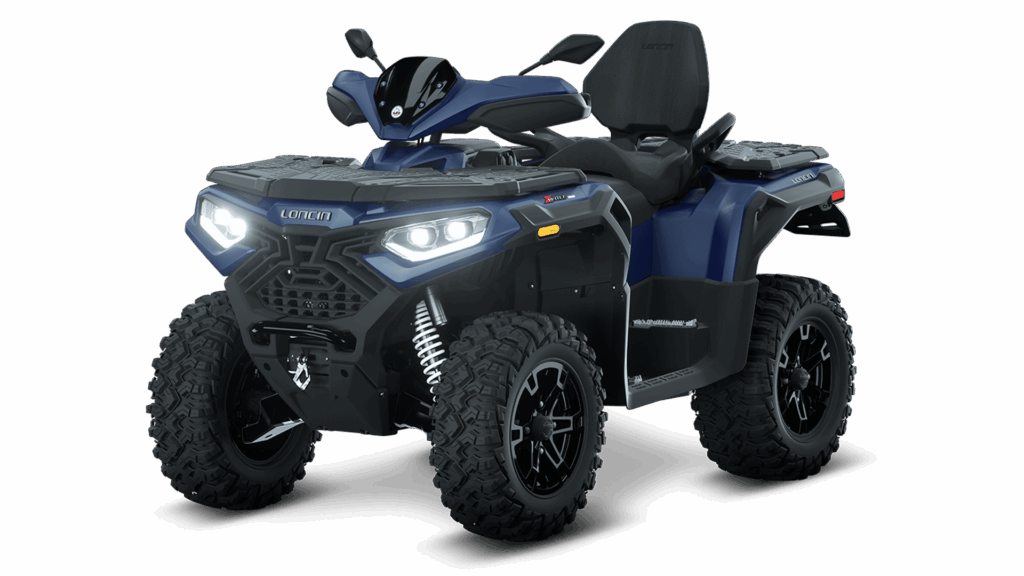
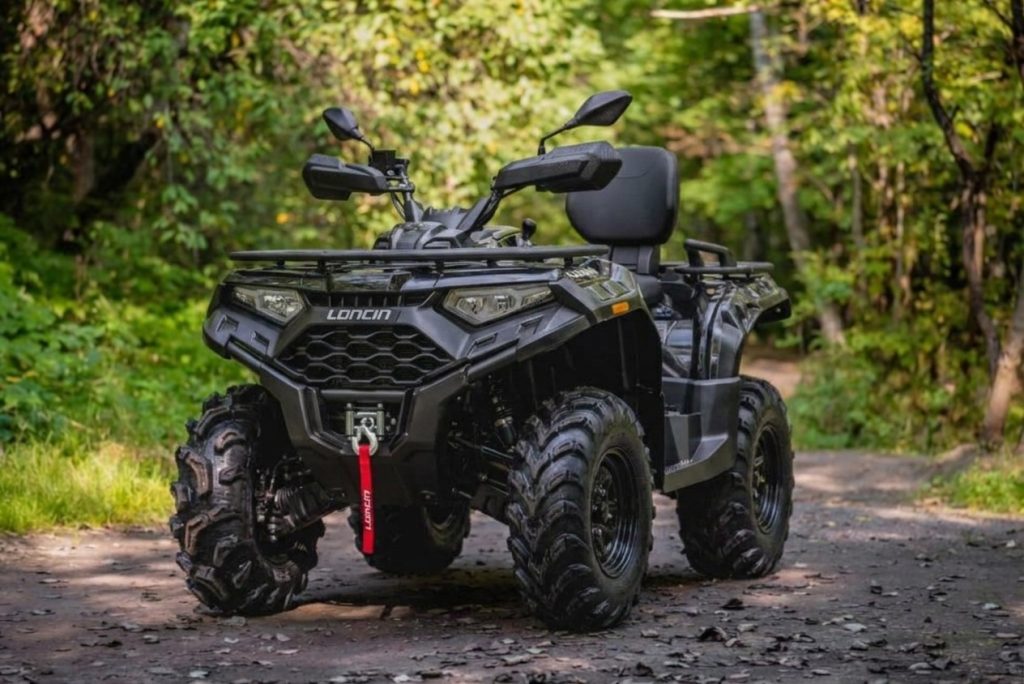
This article uses DOT 4 ATV brake fluid compatible with the LONCIN XWOLF550L as an example. As a hygroscopic fluid, it absorbs moisture through hoses, seals, and during maintenance. This lowers its wet boiling point, increasing the risk of vapor formation under high braking temperatures. Compressible vapor can reduce hydraulic efficiency, cause a soft brake lever or pedal, and lead to brake fade.
Therefore, an ATV brake fluid change depends on time, not just mileage. Seasonal use and long-term storage do not eliminate the need for regular replacement, especially for European riders using ATVs for farming, forestry, hunting, and off-road recreation.
Brake Fluid Replacement Recommendations
The LONCIN XWOLF550L features a four-wheel disc hydraulic braking system, suitable for both daily riding and work. According to the XWOLF550 owner’s manual: the brake fluid specification is DOT 4, and the replacement interval is 2 years. The brake fluid and brake components should also be checked according to the manual.
European users should note: even if the vehicle is primarily used for farm work, has low annual mileage, or is parked for extended periods, the 2-year replacement interval must still be strictly followed.
Key Routine Maintenance Checks:
- Last brake fluid replacement date and whether it is due;
- Check for brake fluid contamination, leaks, or braking abnormalities.
If purchasing a used ATV and the oil change date is uncertain, a comprehensive inspection of the braking system and verification of maintenance records should be performed first.
Why Brake Fluid Appearance Cannot Confirm Its Condition
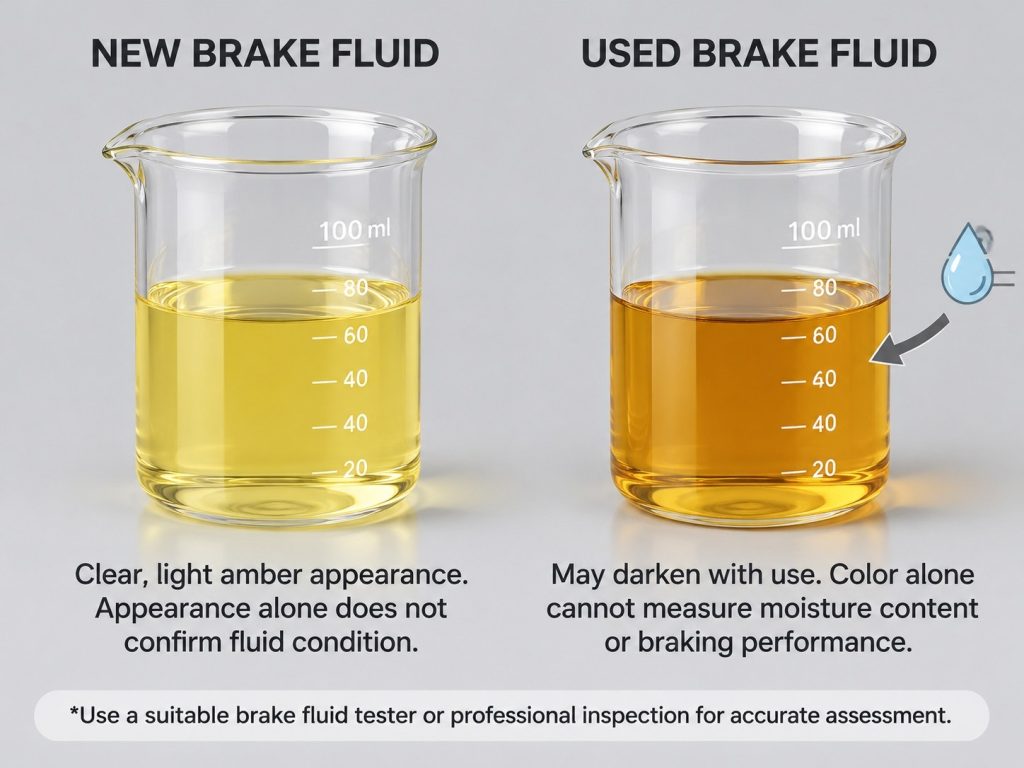
New DOT 4 brake fluid is typically clear or light amber. With use, the brake fluid will darken due to contamination, but color cannot indicate water content. Even if the fluid appears clear, it does not mean that the wet boiling point and performance meet standards.
If necessary, a dedicated water content meter can be used for testing, or the fluid should be inspected by a professional.
XWOLF550L users, please note the following two maintenance items:
- Check the fluid level in the reservoir to ensure it is within the standard range;
- Strictly adhere to the 2-year replacement cycle; never decide whether to change the fluid based solely on its appearance.
Low Brake Fluid Level Is Not Always a Sign of Fluid Deterioration
A drop in brake fluid level doesn’t necessarily mean the fluid is aging. A drop in brake fluid level is a different issue from moisture absorption or performance degradation. Common causes of a drop in fluid level include:
- Wearing brake pads: As brake pads wear down, the caliper piston moves outward, causing the fluid level in the reservoir to drop.
- Brake system leaks: Damage to hoses, connectors, seals, or calipers can cause brake fluid leaks.
Aging brake fluid absorbing moisture only lowers its boiling point and affects braking performance; it usually doesn’t cause a drop in fluid level.
If the fluid level is below the minimum mark, check the brake pads, brake hoses, connectors, and calipers. Do not simply add more fluid.
If you experience a soft brake lever/pedal or reduced braking force, stop driving immediately and have the vehicle inspected by a professional.
Practical ATV Brake Fluid Maintenance
ATV owners should focus on the following maintenance tasks:
- Regularly check the fluid level: Check the brake fluid reservoir according to the manual to ensure the fluid level is within the specified range;
- Strictly adhere to the 2-year replacement cycle: Do not delay replacement due to low mileage or long-term vehicle parking;
- Use designated fluid: Only use DOT 4 brake fluid. Do not mix different specifications, and do not use old brake fluid that has been stored in open containers for a long time;
- Inspect brake components: Regularly check brake hoses, connectors, master cylinder, and calipers, looking for damage, leaks, and abnormal braking feel;
- Professional fluid change: Changing brake fluid requires bleeding air. If you do not have the necessary tools and experience, please have it done by a professional;
- Proper disposal of waste fluid: Deliver waste brake fluid to a qualified recycling organization. Never pour it down the drain or discharge it directly onto the ground.
Low mileage on an ATV does not necessarily mean good brake fluid condition. Brake fluid absorbs water over time, causing a lower boiling point and weakening braking performance under high-temperature conditions.