










How to Ride LONCIN XWolf1000 Mud Through Deep Water
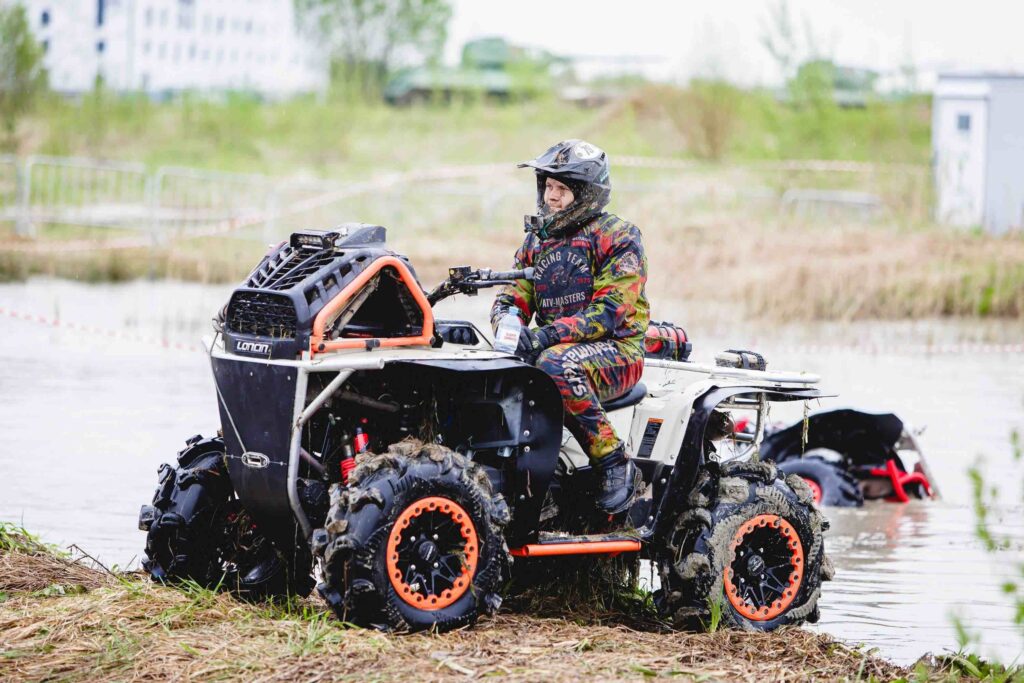
Deep water crossings are one of the most difficult off-road adventures for ATV drivers. It test not only abilities of the machine, but also the riders’ skills. If you’re crossing streams, slippery trails, or flooding roads following heavy rain, applying the correct techniques can increase the chances of a successful crossing, while also reducing risk. Even with an ATV specifically designed such as the LONCIN The XWolf1000 Mud, which is made for tough off-road conditions, the vehicle’s capabilities is not enough to guarantee a safe crossing. Knowing how to evaluate water conditions, decide on the appropriate line and regulate an ATV across deep water are also crucial.
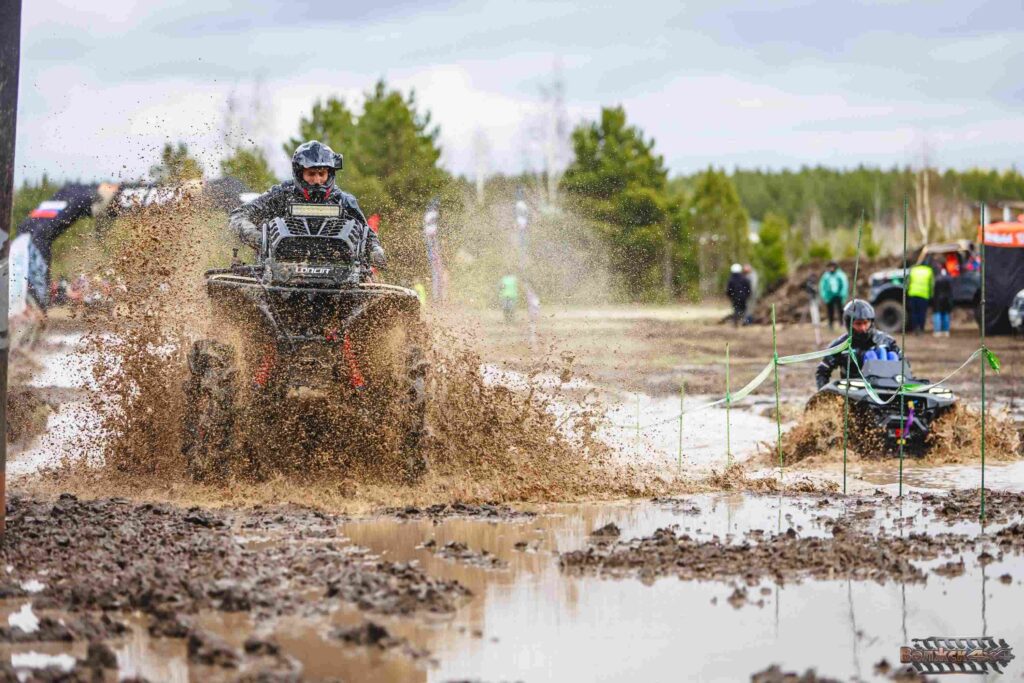
Assess the Terrain and Water Conditions Before Entering
One of the biggest mistakes beginners make is accelerating into the water without checking the conditions first. In reality, successful deep water crossings begin with careful preparation.
Before stepping into the river, calculate the depth of water, examine the current, and then inspect the trail’s surface or riverbed. Be aware of hidden branches, fallen rocks, deep holes, or tracks. If it’s appropriate to do so you can walk the trail or follow the path of a vehicle to determine the best exit and entry locations.
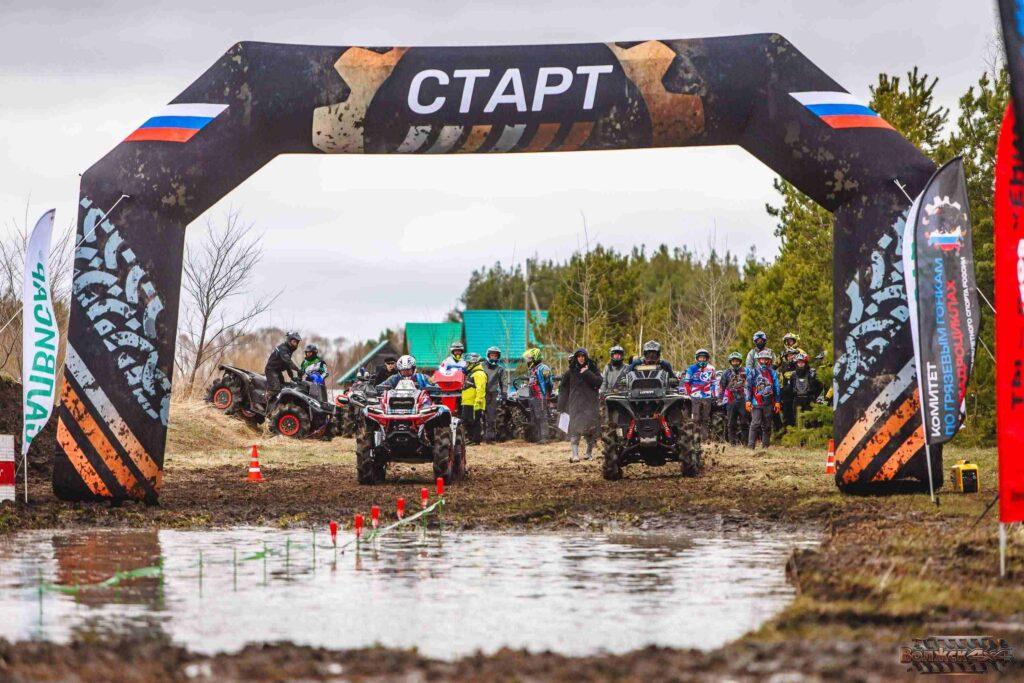
Engage 4WD and Maintain Steady Throttle
Shift into 4WD mode before entering the water to avoid changing drive modes during the crossing.
Maintain a consistent and smooth speed throughout your crossing. Acceleration that is sudden can cause large waves that can increase the danger of water getting into the vehicle. However, excessive throttle could result in that ATV to lose speed and end up stuck in the soft mud. Stable grip is among the key factors that help the LONCINXWolf1000 Mud cross deep water without injury.
Choose the Best Line Instead of Relying on Power
In deep water, choosing the correct route is often more important than engine power.
Avoid deep ruts when you can because they tend to be less pliable and are much more likely to hold vehicles. Find areas that have slow-moving water and a more solid bottom. If you are crossing a stream with a slight sideways approach, it could help lessen the impact of the stream. Maintain the handlebars in a steady position and refrain from frequent steering corrections since sudden movements may decrease tire grip.
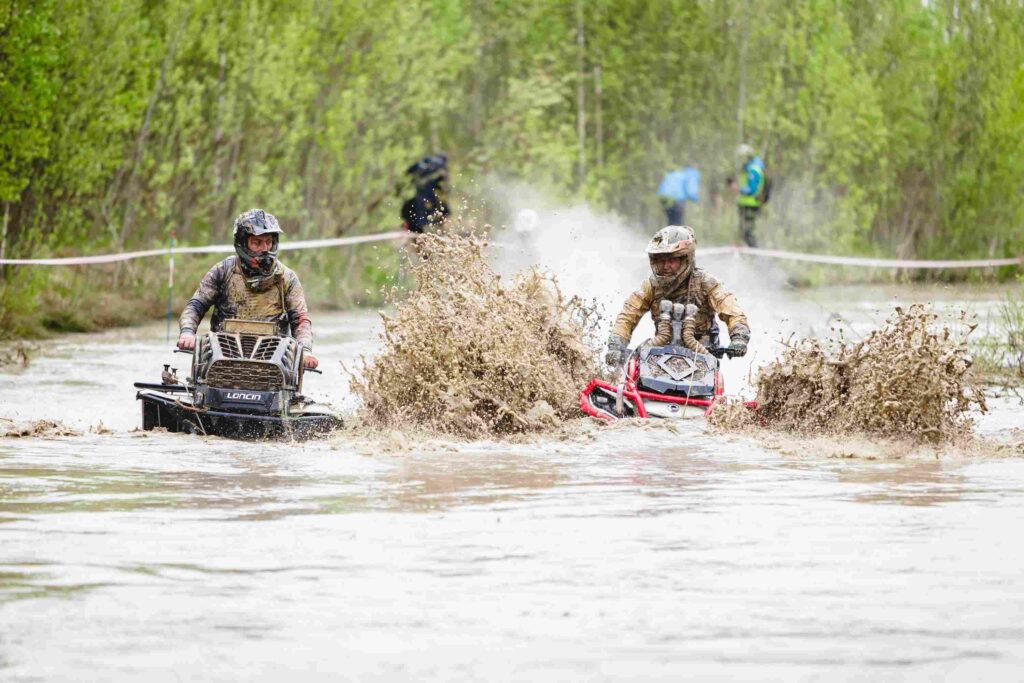
The experienced off-roaders know that choosing the right path is usually more important than driving faster.
Maintain the Correct Riding Position
A properly positioned body helps increase the stability of the vehicle when crossing water.
Relax your body and relaxed, grip the handlebars with firmness and concentrate on the path ahead, not straight at water. If you encounter rough terrain or obstacles underwater you should shift your weight in a natural way to maintain your balance. Avoid sudden steering inputs and rapid throttle changes if the terrain is difficult to negotiate. Be calm and maintain the control of your vehicle is essential to an efficient crossing.
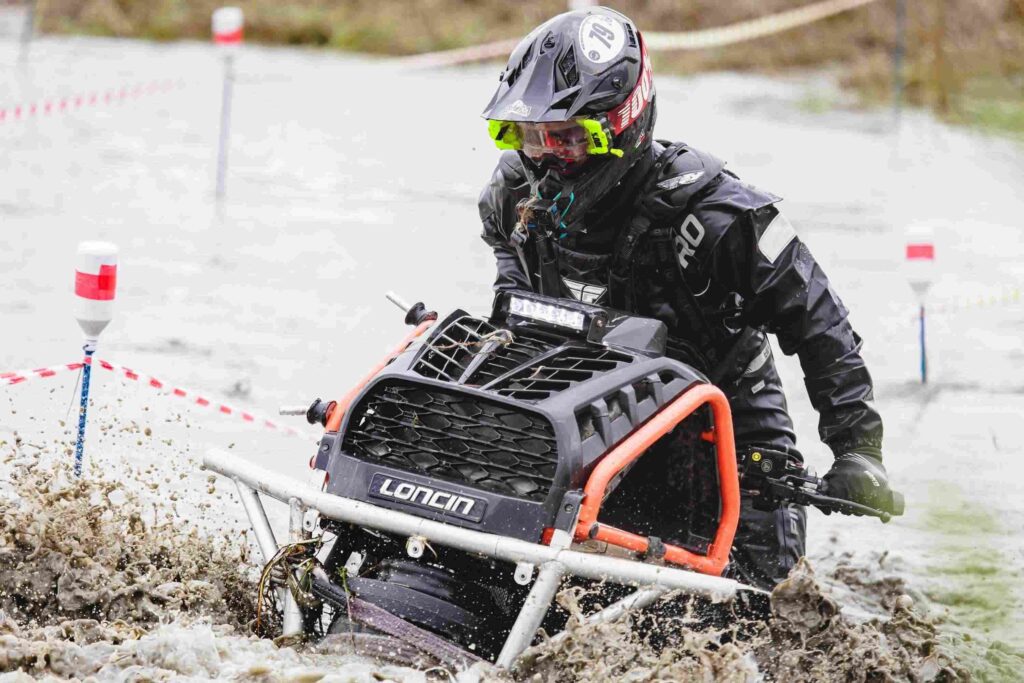
Don’t Accelerate Immediately After Exiting
Many people think that the adventure will be over when the ATV is off the water, however the adventure isn’t over at this point.
When you exit, keep going with a slower speed for a couple of seconds then lightly apply the brakes several times to eliminate water and restore the braking. When you are sure that the vehicle is functioning normally, gradually increase your speed instead speeding up too fast on wet tires.
Inspect the Vehicle After Every Water Crossing
After completing a long water crossing, check your XWolf1000 Mud prior to continuing your ride.
Examine the brakes, tires and lights, as well as the winch and underbody for debris or mud and clean them if required. If your vehicle has gone traversing multiple or prolonged deep water crossings, check the air filter and other components for water or moisture intrusion. Regular checks help keep the LONCIN XWolf1000 Mud in good working order and ready for the next adventure off-road.The practice of good riding will not only enhance your next off-roading experience, but also prolongs the lifespan of your ATV.
.webp "XWolf700L 13")
.webp "XWolf550L 14")
.webp "XWolf300 15")
.jpg "XWolf200 16")
-1.webp "UWolf1000 17")
.webp "UWolf700L 18")